Explore Stem Cell Therapy & Regenerative Medicine by Condition
CONDITIONS & RESEARCH AREAS
Understanding the Role of Regenerative Medicine Research
Stem cell therapy and regenerative medicine are areas of active research across many fields of medicine. Some people begin researching these approaches after conventional treatments have not produced the results they hoped for, while others simply want to understand what emerging options may exist.
Research interest does not mean that a therapy is proven, appropriate for every patient, or FDA-approved for a specific condition. A qualified medical provider should evaluate your diagnosis, medical history, current symptoms, prior treatments, and overall health before discussing any treatment option.
Start With the Right Questions
What exact product or procedure is being proposed?
What evidence supports its use for my condition?
Is it FDA-approved for this intended use?
What are the potential risks, costs, and alternatives?
CONDITIONS & RESEARCH AREAS
Explore Regenerative Medicine by Condition
Learn about stem cell therapy and regenerative medicine research related to neurological, cardiovascular, musculoskeletal, and other medical conditions. Explore each topic and connect with a participating medical provider to discuss your individual situation.
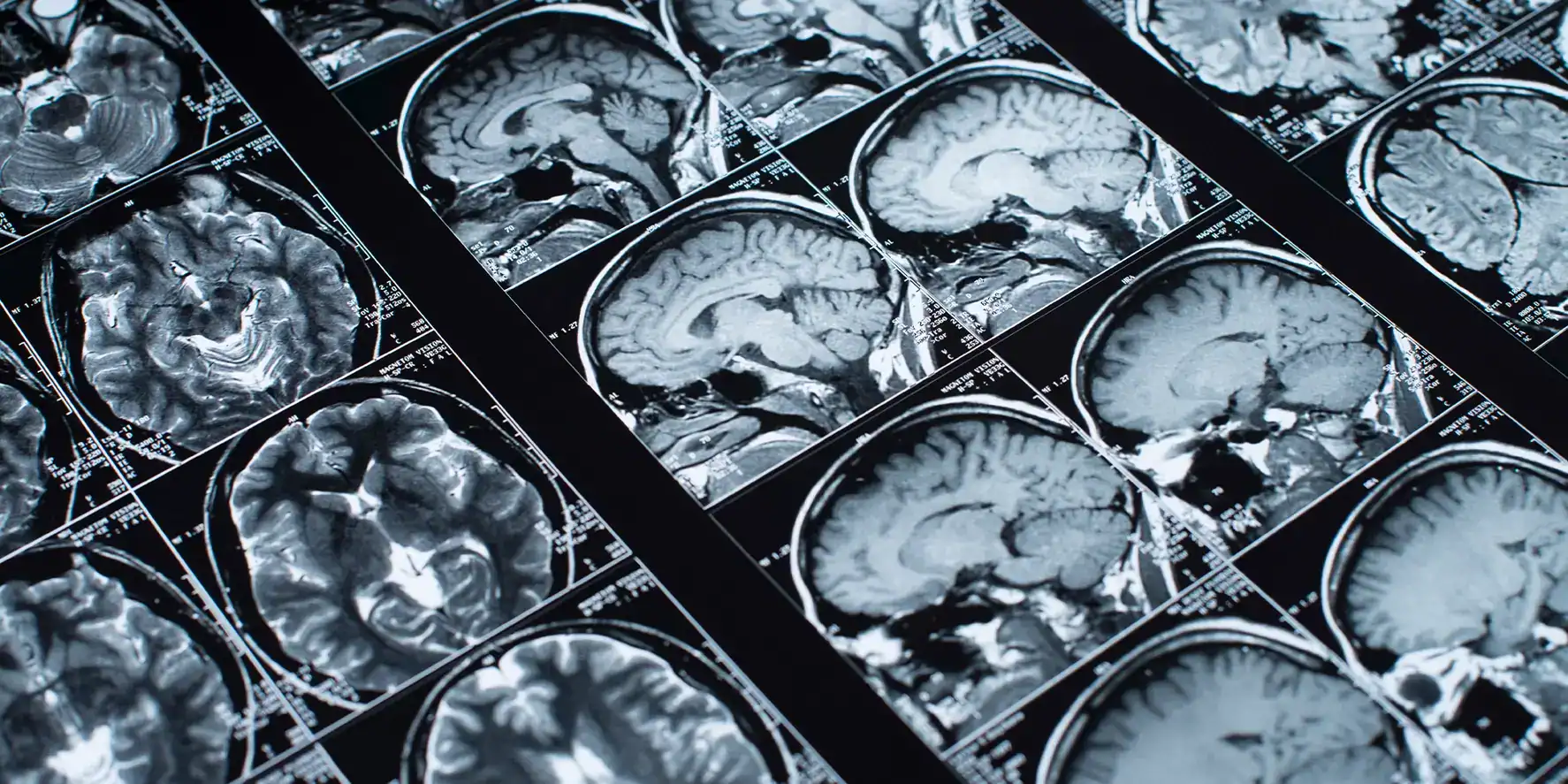
Explore regenerative medicine research related to stroke recovery, neurological rehabilitation, and the potential role of cell-based therapies in tissue recovery.
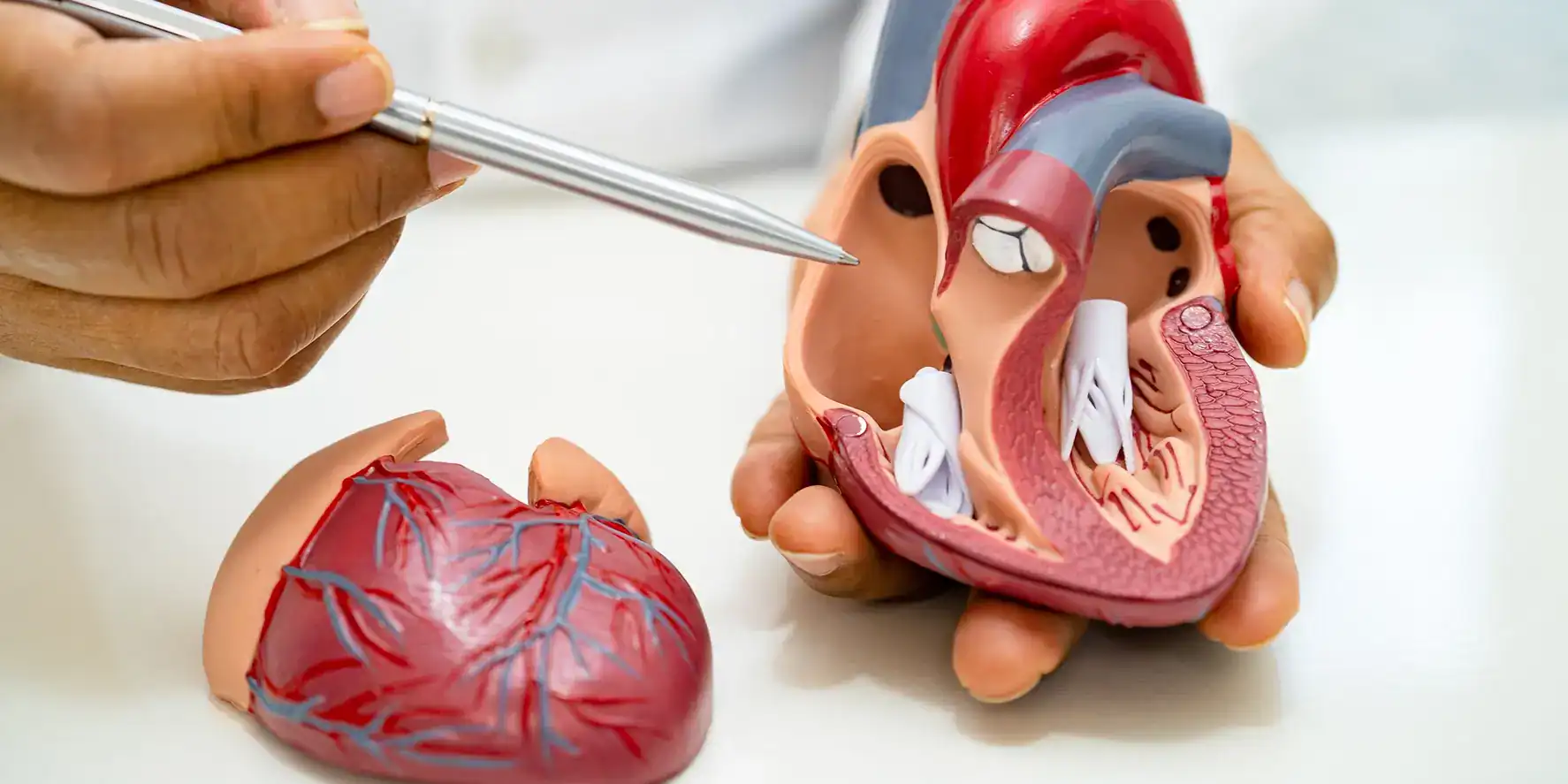
Heart and Organ Repair
Learn about regenerative medicine research involving heart and organ tissue, including emerging cellular approaches being investigated for tissue repair and recovery.
ALS
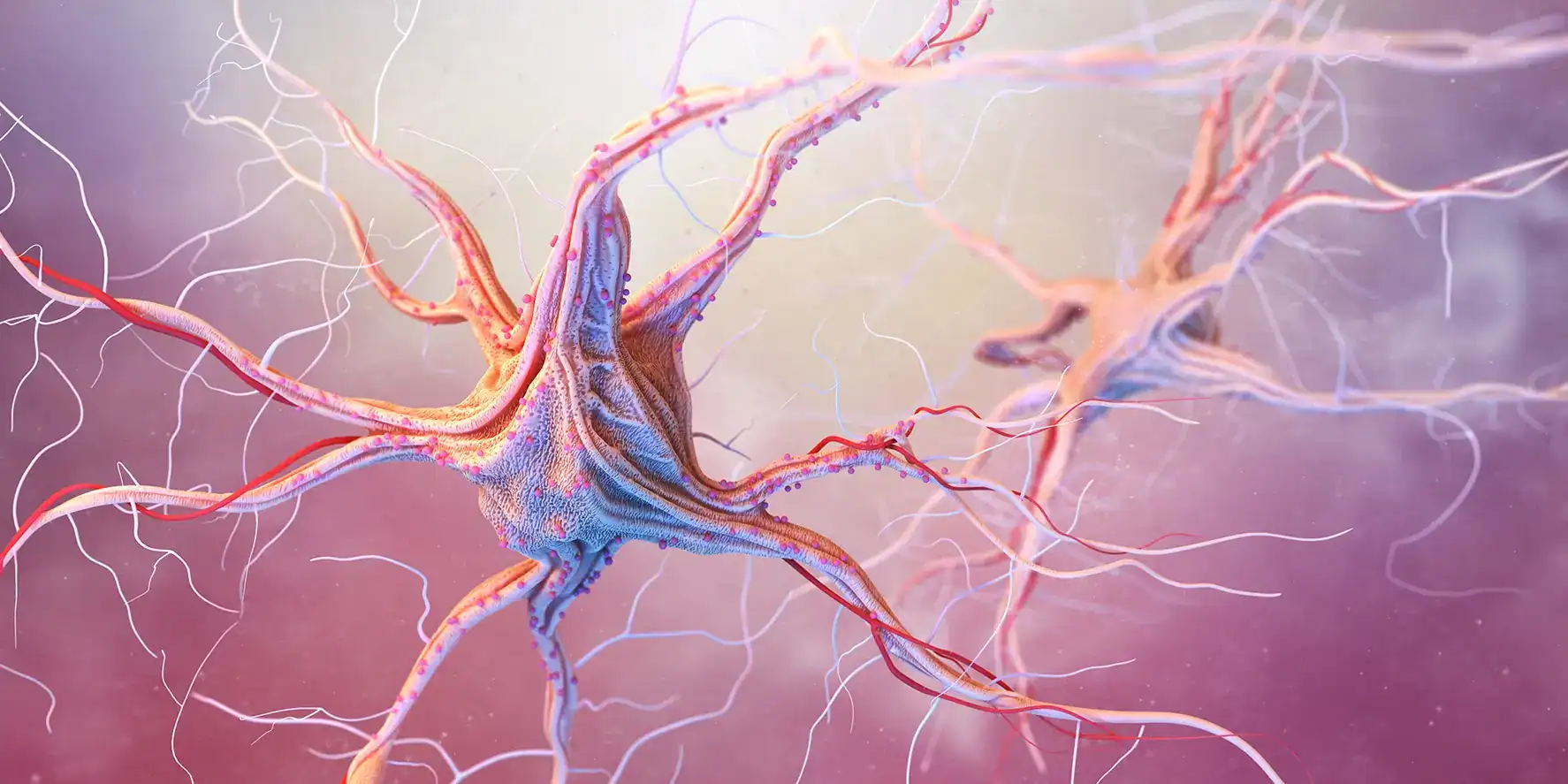
Explore current regenerative medicine and stem cell research related to Amyotrophic Lateral Sclerosis (ALS), including investigational cell-based approaches being studied for neurological conditions.
Parkinson's Disease
Learn about ongoing stem cell and regenerative medicine research involving Parkinson’s disease and potential cellular approaches being investigated for neurological function.
Bone & Joint Arthritis Repair
Explore regenerative medicine options and research related to arthritis, joint degeneration, chronic joint discomfort, mobility concerns, and musculoskeletal injuries.
Dementia
Learn about regenerative medicine research involving dementia, cognitive decline, neurological health, and emerging cell-based approaches currently under investigation.
Alzheimer's
Explore ongoing stem cell and regenerative medicine research related to Alzheimer’s disease, brain health, neurodegeneration, and potential future therapeutic approaches.
Multiple Sclerosis
Learn about regenerative medicine and stem cell research involving multiple sclerosis (MS), including investigational approaches focused on neurological damage, inflammation, and tissue repair.
Spinal Cord Injury (SCI)
Explore regenerative medicine research related to spinal cord injuries, nerve damage, neurological recovery, and investigational cell-based therapies.
HOW IT WORKS
From Research to a Provider Conversation
Stem Cell Connect helps make the process easier by giving you a place to start and helping connect you with participating medical providers.
1. Research Your Condition
Start with educational information about the condition or treatment area you are interested in.
2. Request Information
Tell us where you are located, what you are researching, and the best way to contact you.
3. Connect With a Provider
We help connect you with a participating medical provider when one is available for your area and inquiry.
4. Discuss Your Options
A qualified provider can evaluate your individual circumstances and explain appropriate next steps.
WHY SPEAK WITH A PROVIDER?
Every Condition and Every Patient Is Different
Online research can help you understand terminology and prepare questions, but treatment decisions should be based on an individual medical evaluation. A qualified provider can review the factors that matter for your specific situation.
Common Questions About Conditions & Regenerative Medicine
Can stem cells treat neurological conditions?
Cell-based therapies are being researched for a number of neurological conditions, but research interest does not mean that a particular therapy is proven or FDA-approved for a specific diagnosis. A qualified provider should explain the evidence and regulatory status of any proposed treatment.
Are regenerative medicine treatments FDA-approved?
FDA approval depends on the specific product and its intended use. Patients should ask the treating provider to identify exactly what product or procedure is being proposed and whether it is FDA-approved for that use.
How do I know if I qualify for treatment?
Eligibility depends on the individual, the diagnosis, overall health, prior treatments, the specific therapy being considered, and the treating provider’s medical judgment.
How much does regenerative medicine treatment cost?
Costs vary by provider, procedure, product, condition, number of treatment areas, and geographic location. A provider can discuss pricing after learning more about your situation.
Does insurance cover stem cell therapy?
Coverage varies. Many investigational or elective regenerative medicine procedures may not be covered. Patients should verify benefits directly with their insurance company.
How do I find a provider for my condition?
Tell Stem Cell Connect your location and what condition or treatment you are researching. We can help connect you with a participating provider when available.
IMPORTANT PATIENT INFORMATION
Research Does Not Equal Approval
The conditions listed on this page are areas people may research in connection with stem cell therapy and regenerative medicine. Their inclusion does not mean that Stem Cell Connect or any participating provider is claiming that a particular therapy cures, reverses, or is FDA-approved to treat these conditions.
Always ask the treating medical provider about the specific product or procedure being offered, the supporting medical evidence, known and potential risks, available alternatives, and regulatory status.